FOR A HAPPIER TOMORROW
Anca Benera (RO)
Adela Demetja (AL)
Daniel Gontz (RO)
Marek Kvetan (SK)
Kristina Lenard (HR)
Petar Mirković (SRB)
Ivan Petrović (SRB)
Erik Sikora (CZ)
Kamen Stoyanov (BG/A)
Selected by Alexandra Croitoru (RO)
Press information in Danish (PDF)
Duration
15.02.-15.03.2008
Opening
15.02.2008 5-8pm
Cube
Johan Rosenmunthe, The Isle Of Human
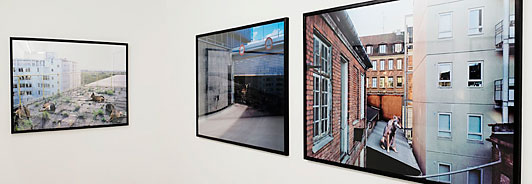
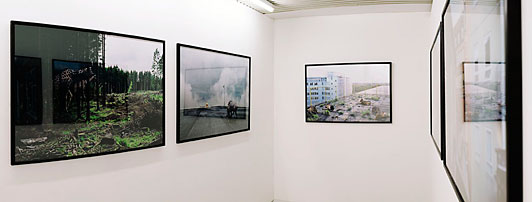
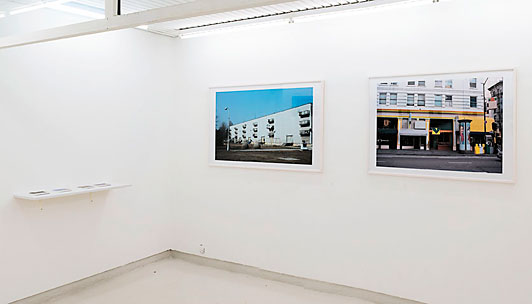
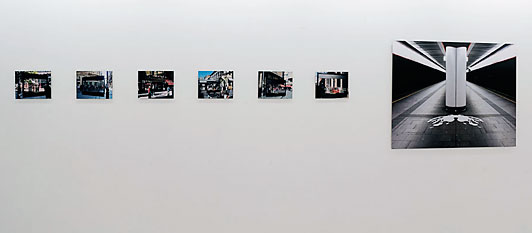
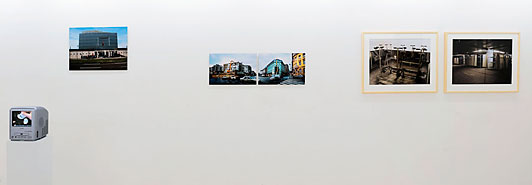
Public space as a multilayered and shared space is the main issue of the group exhibition FOR A HAPPIER TOMORROW. Invited by Galleri Tom Christoffersen artist Alexandra Croitoru presents a well-researched selection of photography and video from Central-Eastern Europe.
It sounds activistic – and maybe it is. The works shown reflect the relations set up by artists between themselves and the public sphere especially by performing interventions (be it real or virtual ones) in the public space. The presented artists use their skills and knowledge to challenge reality or to create an alternative one as they show a non-defeatist, critical but at the same time ironical and playful attitude in relation to their social surroundings.
Although concerned with the public sphere either discussed through or performed in urbanity as context, FOR A HAPPIER TOMORROW is not an attempt to address a geo-political East-West duality. Neither is it an attempt to reflect whether there is a common denominator for the Central-Eastern European lens based media apart from the geographical one. As the diverse selection of works show, it is the particular artists approach, which intrigues.
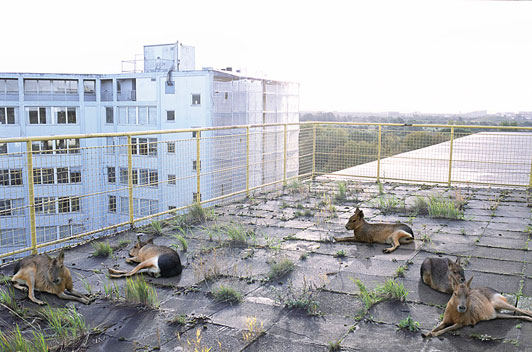
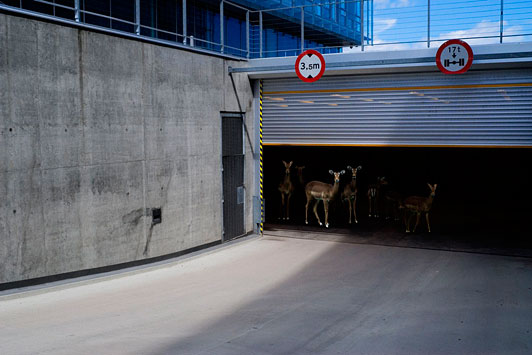
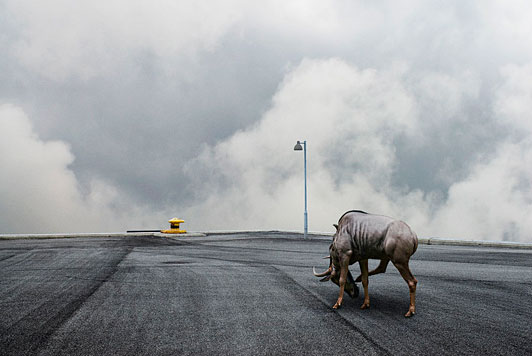
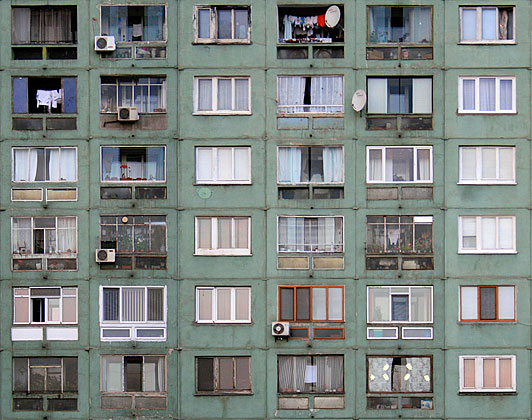
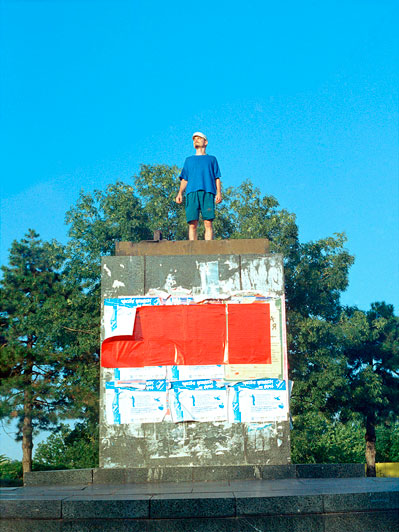
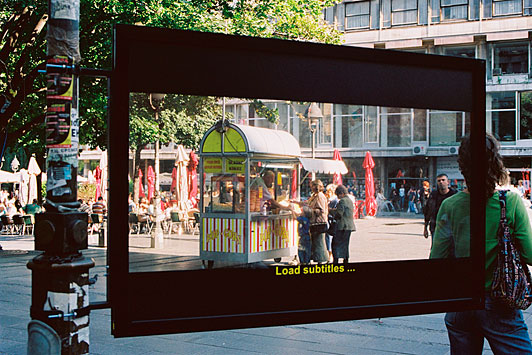
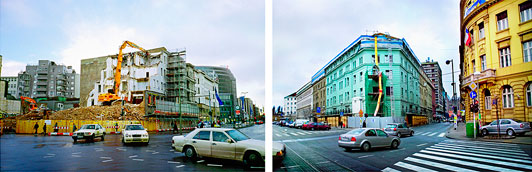
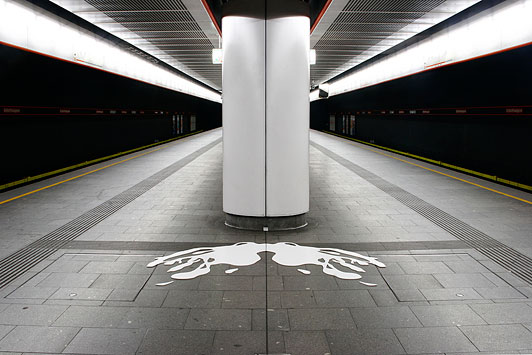
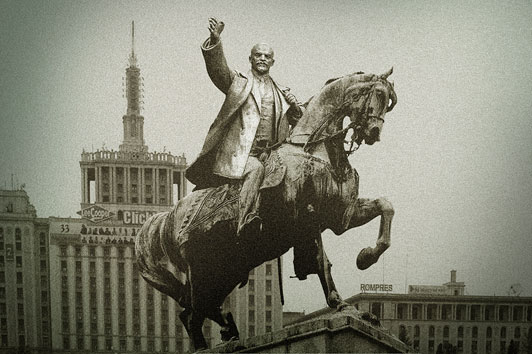
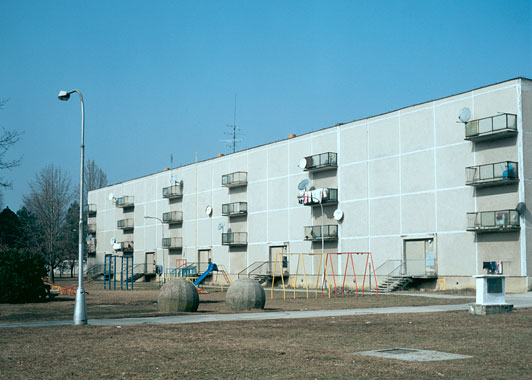
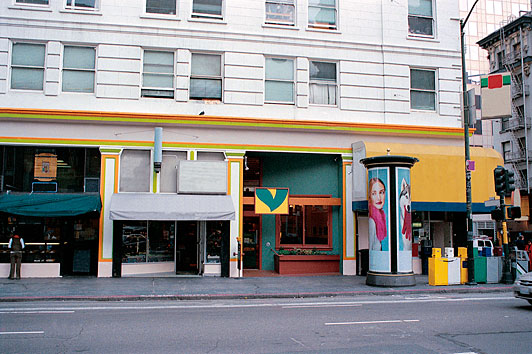
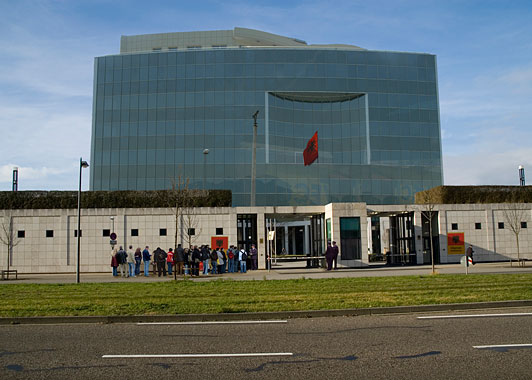
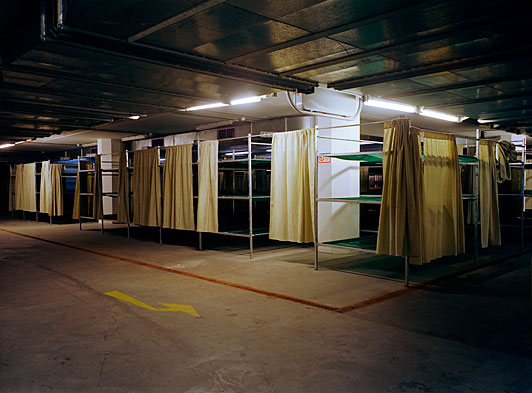
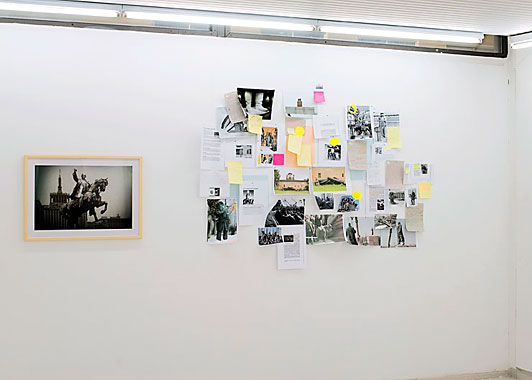
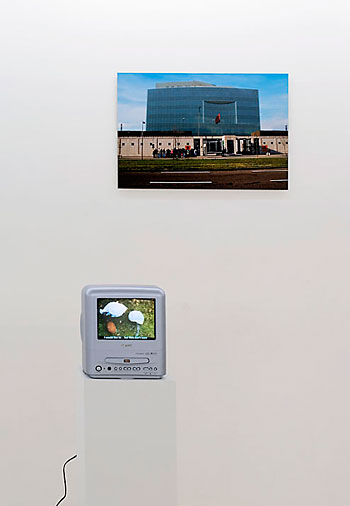
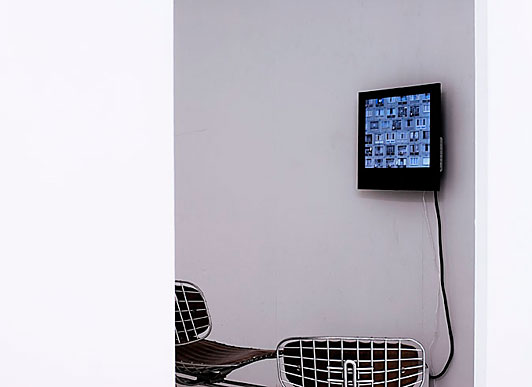
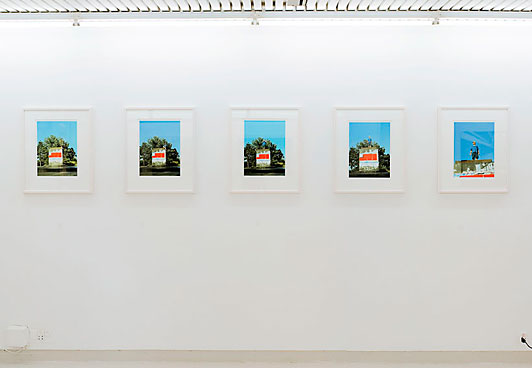
Anca Benera and Kamen Stoyanov refer to the changes and the political antagonisms, that have affected the identity of public monuments, Adela Demetja reverses a given political situation by imagining an Albanian Embassy in Germany where people would queue for a visa, Daniel Gontz criticises social regimentation by using the prefabs of a socialist block of flats to make a puzzle with infinite solutions while Kristina Lenard and Petar Mirković play with the border between reality and fiction, between illusion and actuality, in his images of modern atomic shelters Ivan Petrović discuss questions of safety, phobias and fear, Marek Kvetan points at different social dysfunctions by creating fictional spaces with the means of digital manipulation and Erik Sikora is ironically commenting on the strategies of the «social artist».